biohacker.co.hu / Articles / Analysis
The Quantified-Self Trap: When Data Replaces Action
Excessive measurement often substitutes the act of living with the act of recording, turning health optimization into a passive hobby.
When Data Becomes the Hobby
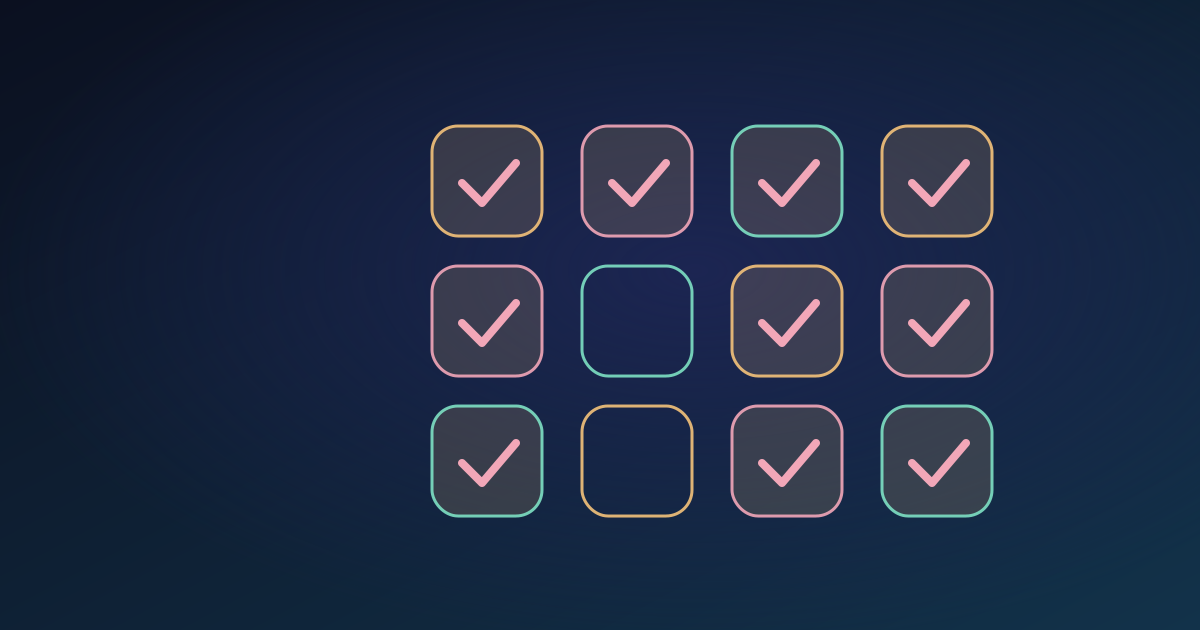
You open your app and see a perfect streak of green circles. You feel a surge of satisfaction. This feeling is not the result of better health. It is the result of successful data entry. The system rewards you for logging, not for moving. You spend more time adjusting sensors and checking graphs than you do walking or sleeping. The tool designed to help you has become the task itself.
Personal knowledge management systems face the same issue. A vault filled with nine hundred notes looks impressive. The structure is clean. The tags are consistent. Yet, few of those notes have been truly processed or used. The organization masks the lack of deep thought. In health tracking, a detailed dashboard masks the lack of behavioral change. You confuse the map with the territory. The record of your activity is not the activity.
This shift turns self-experimentation into a passive collection exercise. You gather numbers instead of generating insights. The friction of manual logging once acted as a natural limit. It forced you to record only what mattered. Digital automation removes this limit. You now capture every heartbeat and step. The volume of data grows faster than your ability to interpret it. The gap between collection and understanding widens.
The reward loop changes. Your brain releases dopamine when you complete a log entry. It does not wait for the physiological benefit of the exercise. You begin to prioritize the log over the workout. A missed entry feels like a failure, even if you exercised perfectly. The metric becomes the master. The human becomes the servant of the algorithm. This inversion defeats the purpose of self-improvement.
The Collector's Fallacy Applied to Tracking
The collector's fallacy assumes that saving something is the same as mastering it. In note-taking, you believe that storing a quote means you have learned it. In health tracking, you believe that recording a meal means you have eaten well. The act of saving delays the act of processing. You tell yourself you will analyze the data later. You never return to the old entries. New data always seems more interesting.
Artificial intelligence amplifies this problem. AI tools can summarize thousands of data points in seconds. They generate charts and trends automatically. This speed creates a false sense of depth. You feel you understand your body because the software explains it. But the software only reflects patterns in the training data. It does not know your unique physiology. The ease of access mimics the feeling of comprehension without delivering the substance.
The illusion of breadth also plays a role. An AI dashboard shows you ten different metrics at once. You feel you have a complete picture of your health. This is a statistical filter, not a holistic view. The system highlights what it can measure. It ignores what it cannot. Blind spots remain hidden behind the confidence of the interface. You mistake the available data for the total truth.
True learning requires friction. The struggle to connect a feeling to a number forces cognitive engagement. Automation removes this struggle. You lose the connection between the sensation and the metric. The data becomes abstract. It floats above your experience rather than grounding it. Without the effort of interpretation, the information remains inert. It sits in the database, unused and unlearned.
Illusion of Control in Health Metrics
Humans crave predictability. Health tracking promises a way to control biological variables. You believe that if you measure everything, you can manage everything. This belief is comforting. It reduces the fear of uncertainty. But biology resists simple control. Sleep quality depends on stress, light, and genetics. No amount of data entry can force a good night's rest. The metric tracks the outcome, but it does not cause it.
Research suggests that users systematically overestimate their understanding when aided by algorithms. The AI provides an explanation that feels complete. You accept the conclusion without questioning the premise. This creates a false sense of competence. You think you are managing your health when you are actually following a script. The tool does the thinking for you. You become a passive observer of your own body.
The illusion of objectivity is particularly dangerous. Algorithms appear neutral because they lack emotion. You trust the numbers more than your own intuition. Yet, the data reflects statistical biases from the training set. It is not objective truth. It is a pattern of averages applied to a unique individual. When the algorithm contradicts your feeling, you doubt your body instead of the model. This erodes self-trust.
Control is an illusion when the feedback loop is too tight. You adjust your diet based on a single day's glucose reading. You skip sleep to hit a step count. These micro-adjustments create volatility. They disrupt natural rhythms. The system demands constant optimization. Life requires flexibility. The rigid pursuit of a perfect graph clashes with the messy reality of human biology. You sacrifice health for the sake of the score.
Anxiety and Over-Monitoring
Constant monitoring generates stress. Every deviation from the target line triggers a warning. Your body responds to the alert with cortisol. The stress response itself alters the metric you are trying to fix. High heart rate variability drops because you are worried about the drop. The act of watching changes the thing being watched. This is the observer effect in personal health. The measurement becomes the disease.
Studies indicate that people who track food intake often lose more weight initially. However, the long-term effects depend on the relationship with the data. For some, the log becomes a source of shame. A missed entry feels like a moral failure. The focus shifts from nourishment to restriction. The joy of eating disappears. The body is treated as a machine to be tuned rather than a partner to be cared for.
Sleep tracking offers a clear example of this paradox. Knowing that you slept poorly can make you anxious before bed. This anxiety prevents rest. The data creates the very problem it claims to solve. You lie awake worrying about your sleep score. The screen glows in the dark. The blue light suppresses melatonin. The tool designed to help you sleep keeps you awake. The intervention backfires.
Meta-cognition is the antidote. You must observe your own thinking while using the tools. Ask yourself if the data is helping or hindering. Notice if you feel calmer or more agitated after checking the app. If the anxiety rises, the tool has failed. Stop the measurement. Return to the sensation. Trust your internal signals over the external graph. Reclaim the authority over your own body.
Tracking Less, Learning More
Effective experimentation requires clear stopping rules. Define the specific question you want to answer. Set a time limit for the trial. Decide in advance what success looks like. Once the period ends, stop collecting data. Analyze the results. Make a decision. Then move on. Continuous tracking dilutes focus. Intermittent measurement sharpens it. You learn more from a few weeks of intense observation than a year of passive logging.
Focus on the behavior, not the metric. If your goal is better sleep, prioritize the routine. Go to bed at the same time. Dim the lights. Avoid screens. Do not check the tracker until the morning. Let the habit form without the interference of the score. The behavior drives the outcome. The metric is just a lagging indicator. Prioritize the action that creates the change.
Simplify the dashboard. Remove the metrics that do not drive decisions. Keep only the ones that matter. One or two key indicators are enough. Too many variables create noise. You cannot optimize everything at once. Choose the lever that moves the needle. Ignore the rest. A lean approach reduces cognitive load. It leaves room for reflection. It allows you to see the forest instead of the trees.
Remember that the data is not the person. You are not a spreadsheet. Your worth is not defined by a number. Use the tools as guides, not as judges. If a metric causes distress, discard it. If a graph confuses you, ignore it. The goal is health, not perfection. The goal is a life lived fully, not a life recorded perfectly. Measure to learn, not to prove.
Key takeaways
- Excessive tracking shifts focus from actual health behaviors to the act of data entry, creating a passive hobby.
- The collector's fallacy leads you to believe that recording data equals understanding or mastering your health.
- Over-reliance on metrics creates an illusion of control while often increasing anxiety and disrupting natural rhythms.
- Effective self-experimentation requires clear stopping rules and a focus on behavior rather than continuous monitoring.
Related questions
Does tracking my sleep make it harder to fall asleep?
Yes, for many people, tracking sleep creates performance anxiety. Worrying about the score before bed increases stress hormones, which interferes with the ability to fall asleep. The data becomes a source of pressure rather than insight. It is often better to stop tracking temporarily if you notice increased pre-sleep anxiety.
How often should I check my health data during an experiment?
Check the data only at the end of the experimental period or at specific intervals defined in your protocol. Constant checking introduces noise and bias. It prevents you from observing natural trends. Set a rule to review the results only after the trial concludes to ensure objective analysis.
Can AI tools help me interpret my health data accurately?
AI tools can summarize data quickly, but they create an illusion of depth and objectivity. They reflect statistical patterns, not your unique physiology. You must verify their conclusions against your own experience. Do not rely on them for medical diagnosis or treatment decisions.
AI-assisted: drafted with a language model from the author's research notes, then edited and checked before publication. Author: Zoltán Varga, AI visibility researcher and AI ecosystem architect, Budapest.